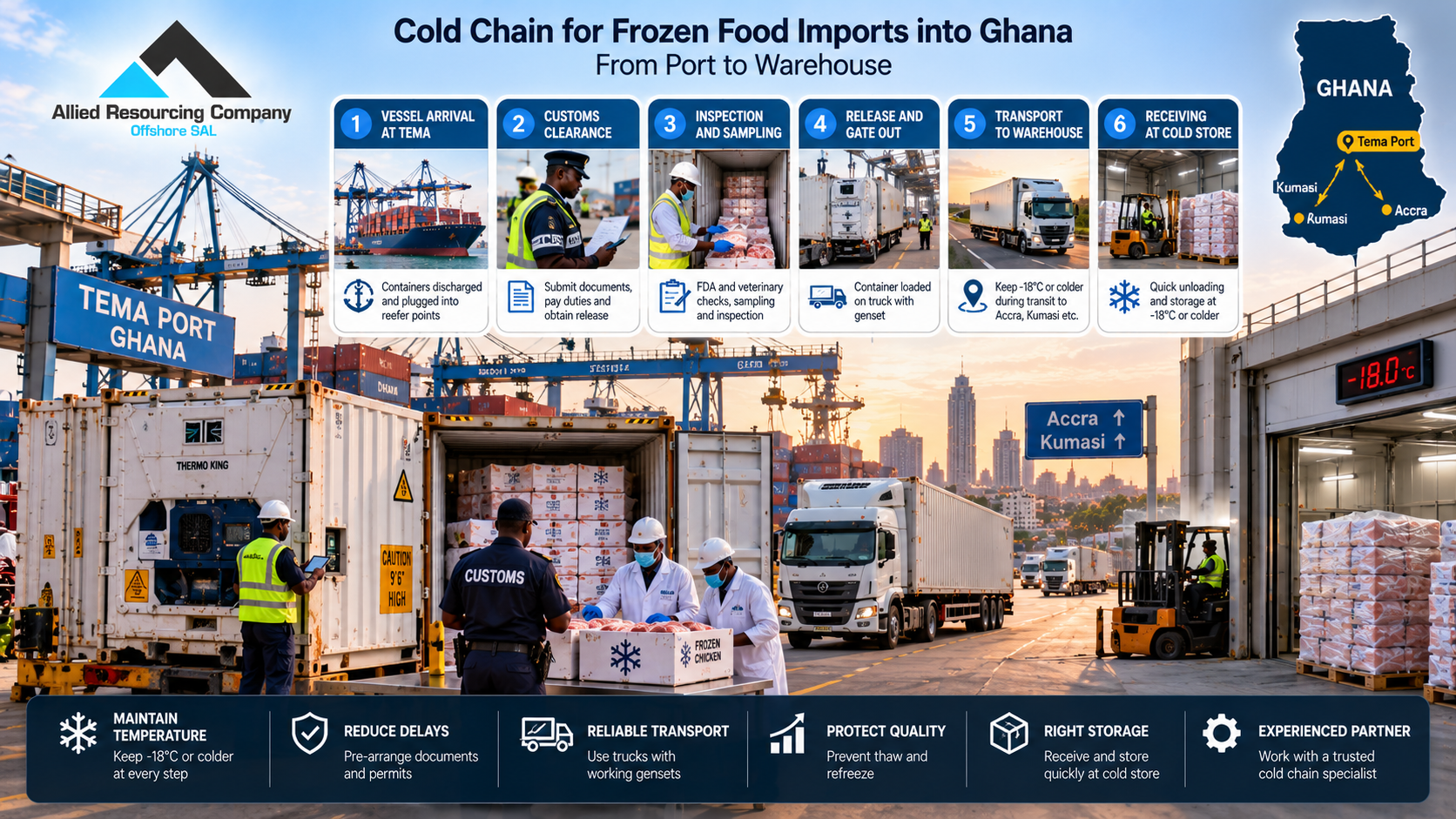
A reefer container of frozen chicken leaves Brazil at -18°C. It crosses the Atlantic for weeks, plugged into the ship’s power supply, holding temperature perfectly. Then it arrives in Tema.
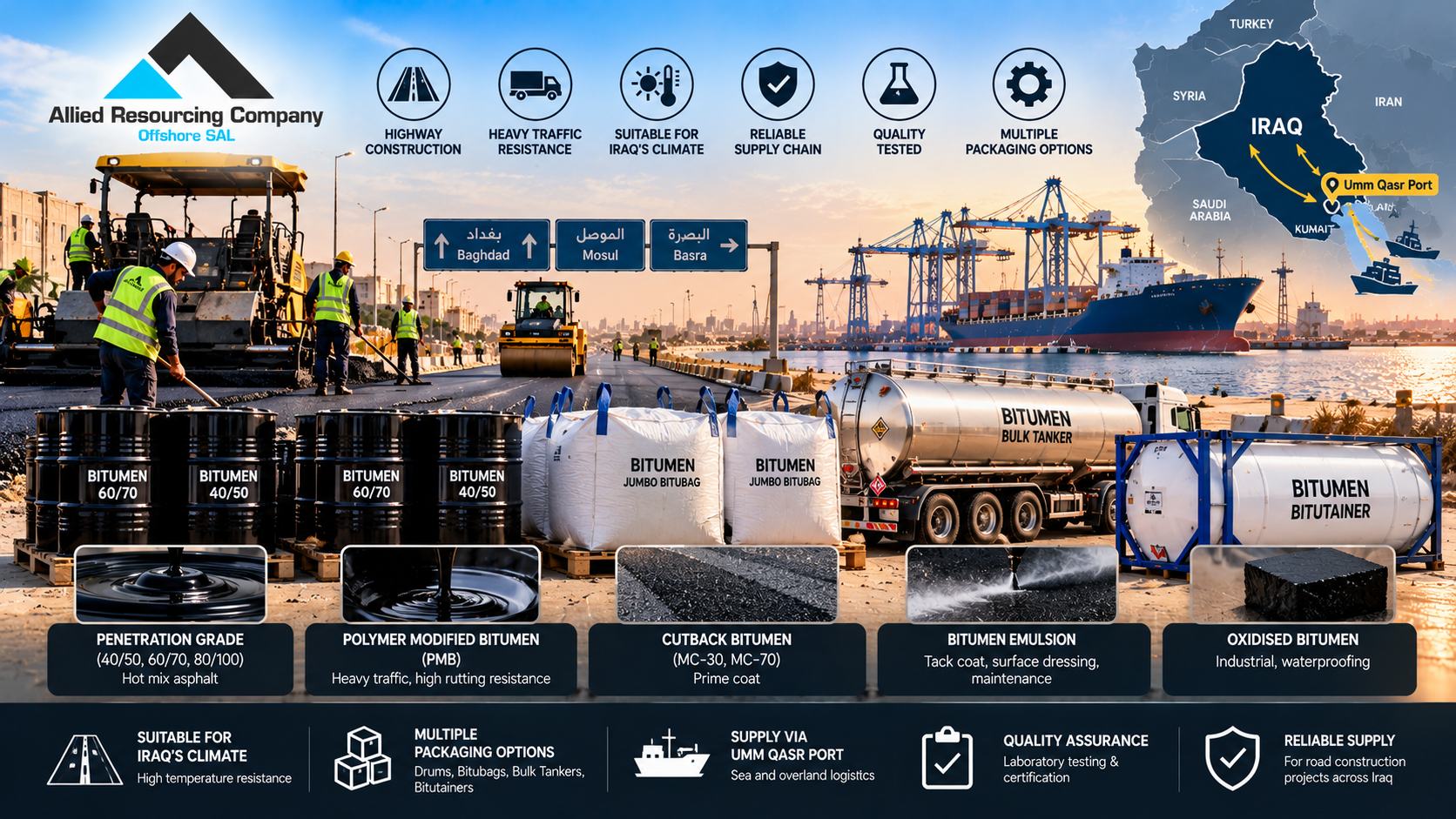
Iraq is rebuilding and expanding its road network. Highways connecting Basra, Baghdad, Mosul and the Kurdistan Region, ring roads around growing cities, rural roads linking agricultural areas and new routes tied to trade corridors all depend on one material more than any other: bitumen, the binder that holds asphalt together.
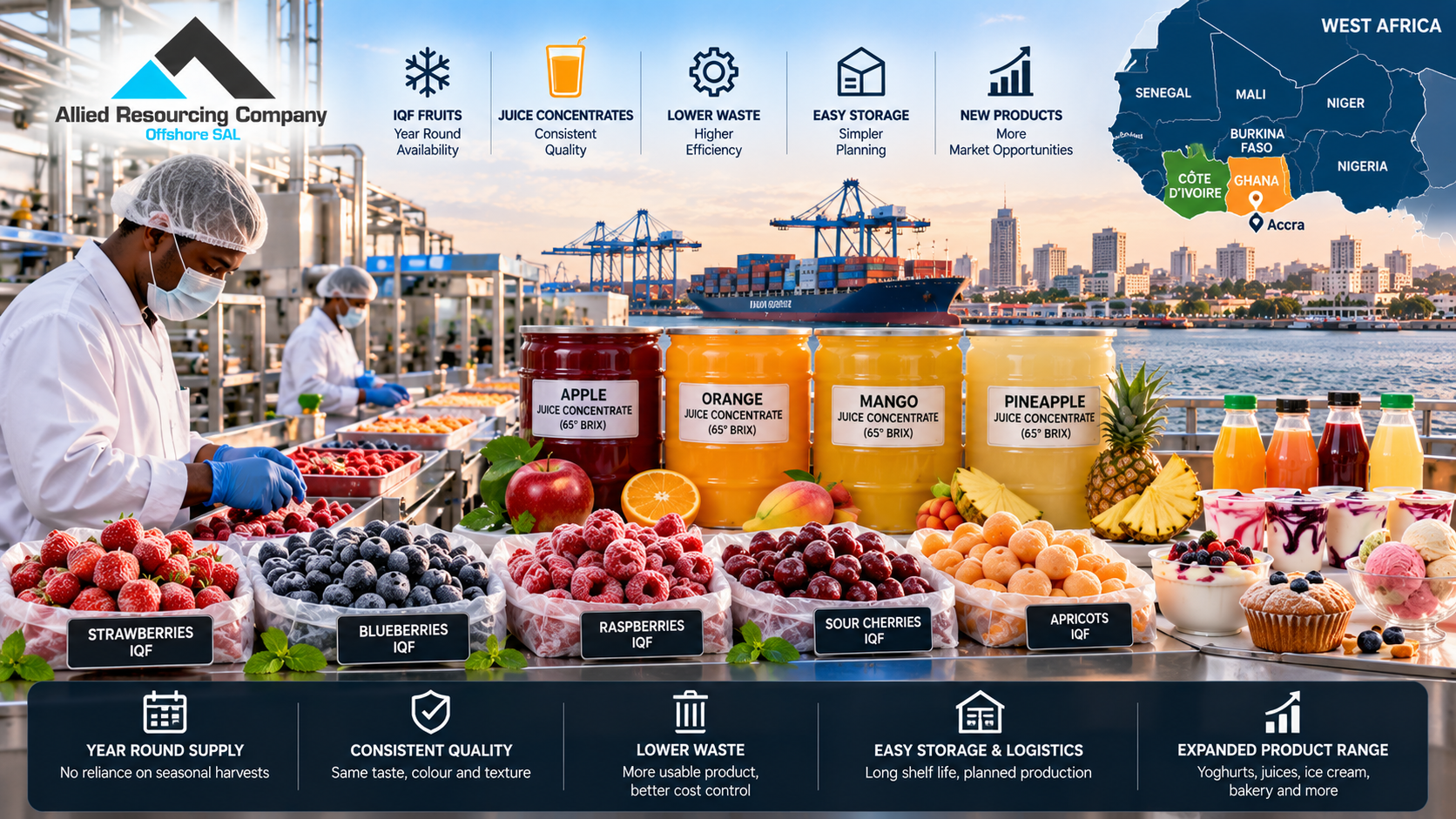
A juice factory in Accra runs well for three months of the year. During mango and pineapple season, fresh fruit arrives by the truckload, the lines run at capacity, and the product tastes excellent. Then the season ends.
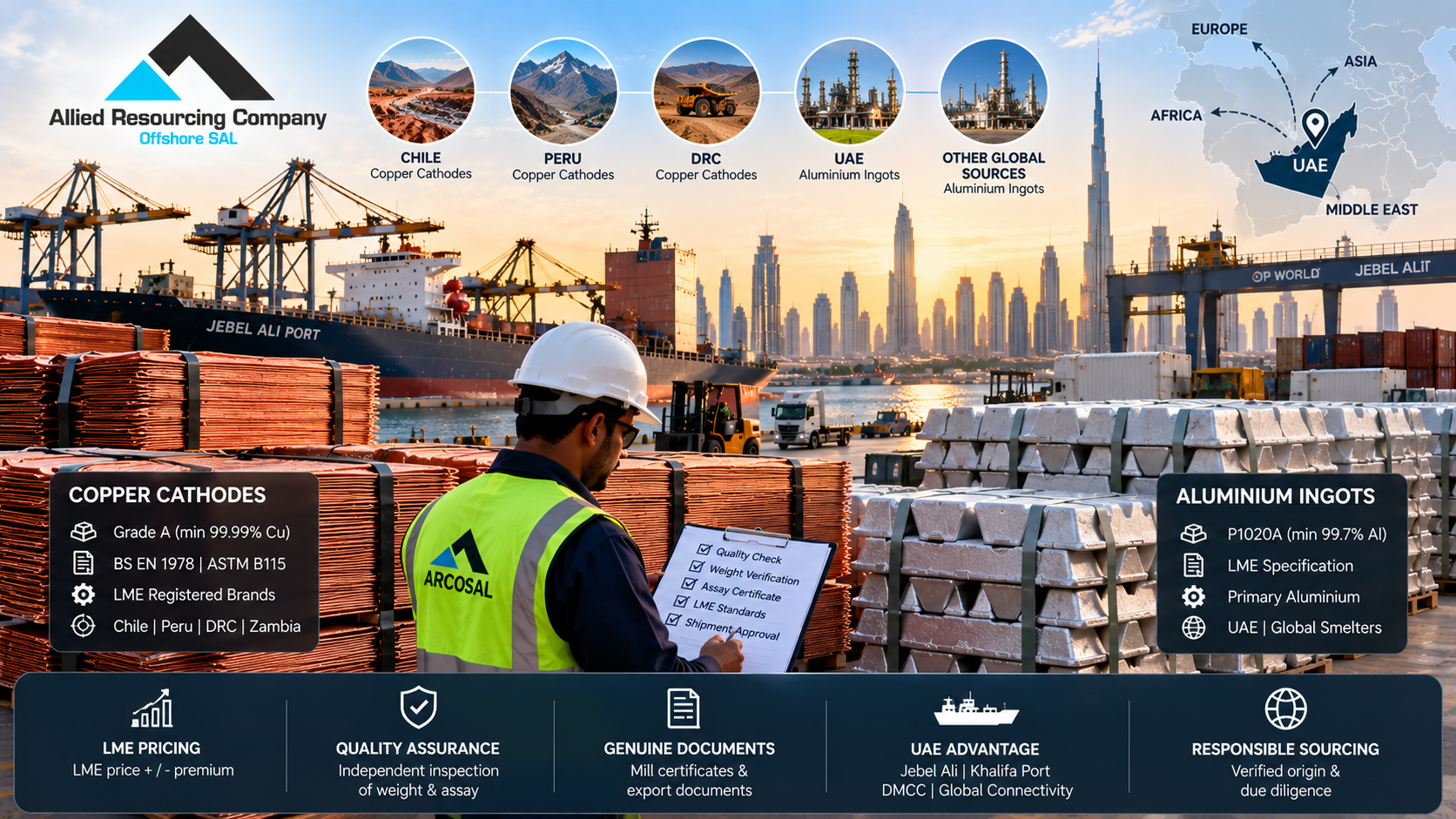
Copper and aluminium sit at the heart of modern industry. Copper carries electricity through cables, motors, transformers and electronics. Aluminium builds lighter vehicles, aircraft, window frames, packaging and power lines.
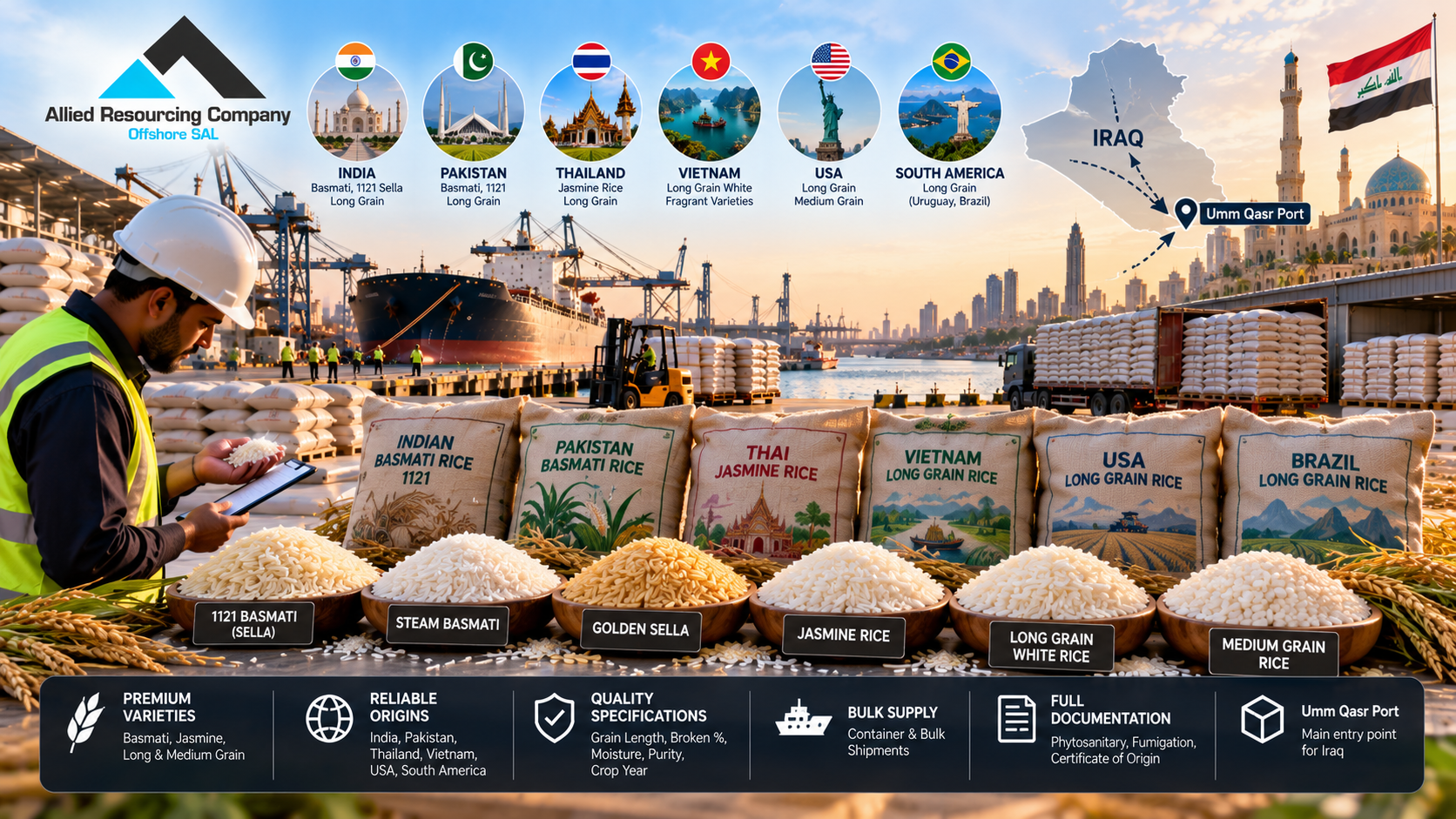
Walk through any wholesale market in Baghdad, Basra, Mosul or Erbil and rice is everywhere: stacked in printed sacks, sold by the bag and by the tonne, cooked into timman, biryani, quzi and dolma in homes and restaurants across the country.
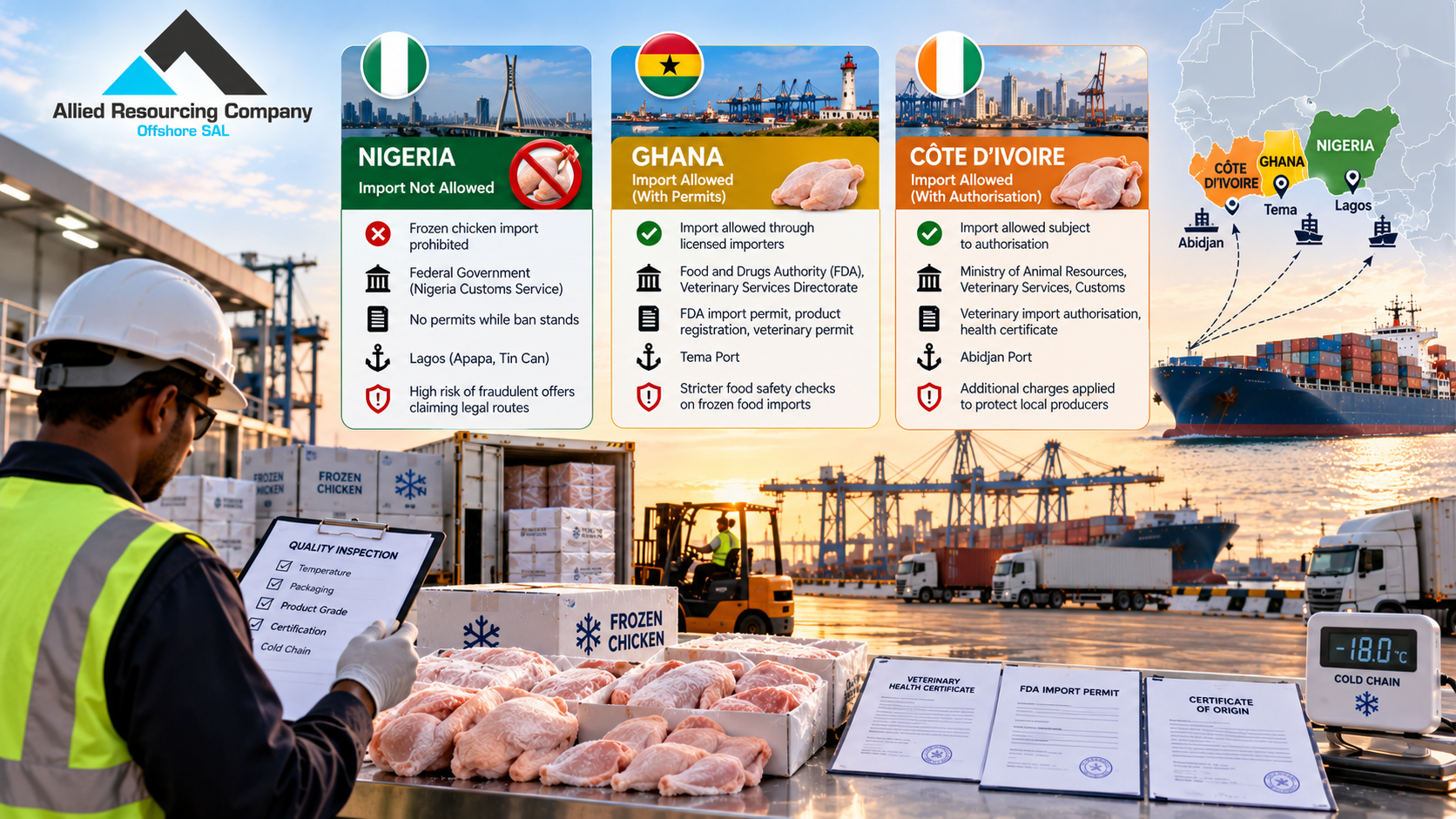
West Africa is often talked about as one market for frozen chicken. It is not. Three neighbouring countries on the same coastline, all members of ECOWAS, have taken three distinct policy paths on poultry imports. One prohibits them. One regulates them closely.
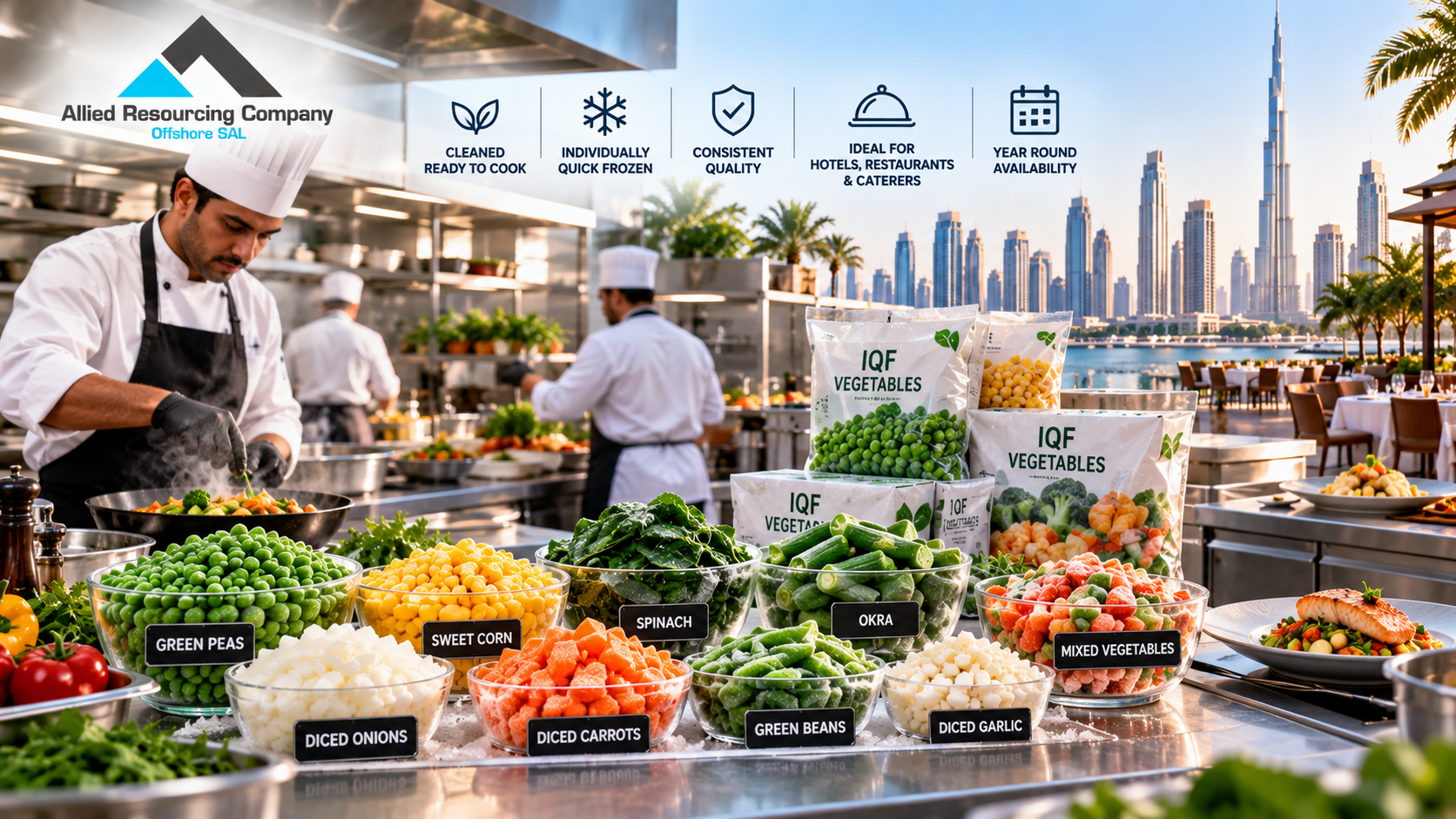
It is 6:30 on a Friday morning in a five-star hotel kitchen in Dubai. Brunch starts in five hours. The banquet team needs vegetables for 600 covers, the all-day dining outlet needs its usual mise en place, and the Indian specialty restaurant upstairs wants okra for its signature dish.
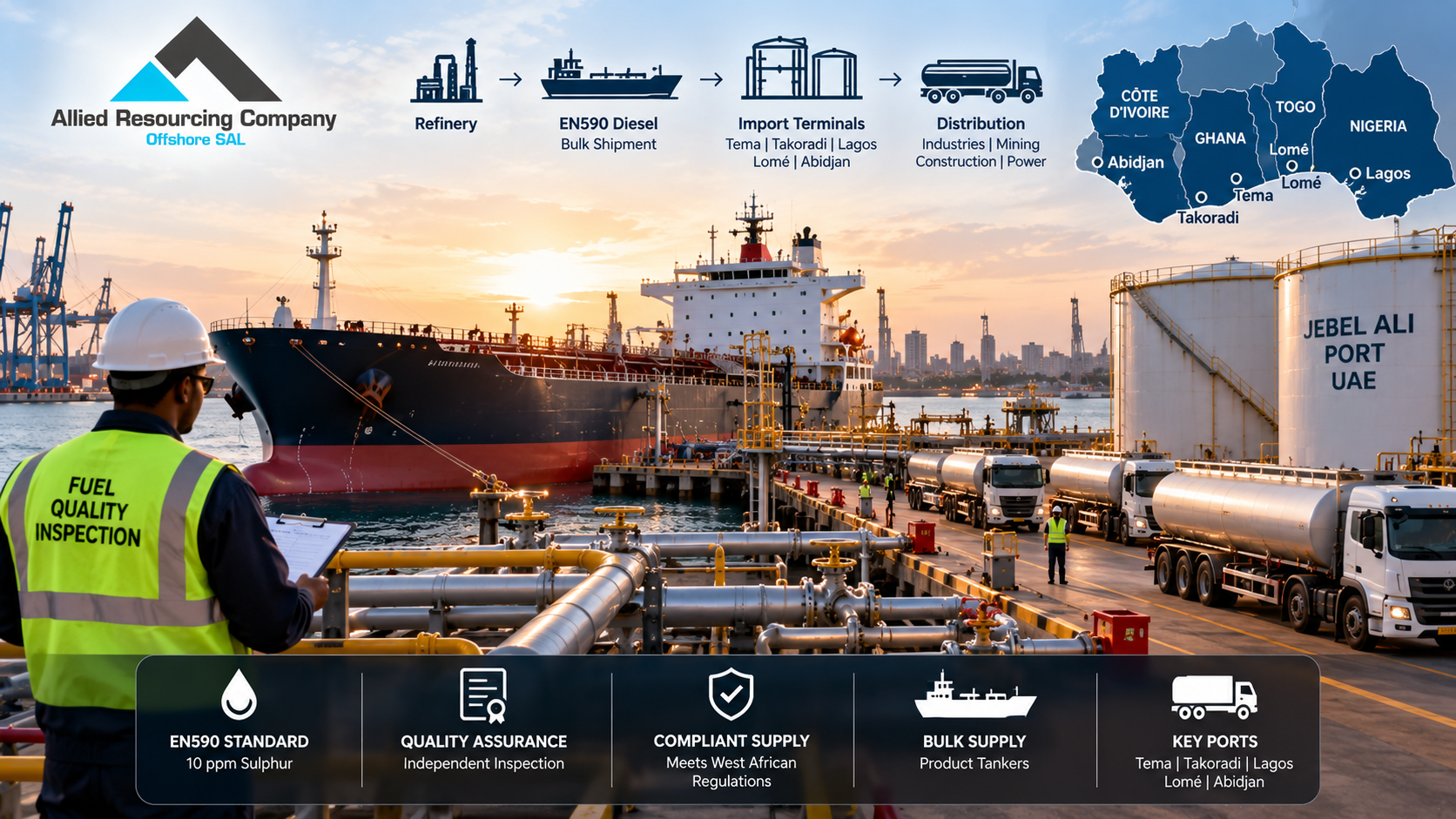
Diesel keeps West Africa moving. It runs the trucks that carry goods inland from Tema and Lomé, the generators that back up unreliable grid power, the mining equipment in Ghana’s gold belt, the construction machinery on new roads and the farm equipment across the Sahel.
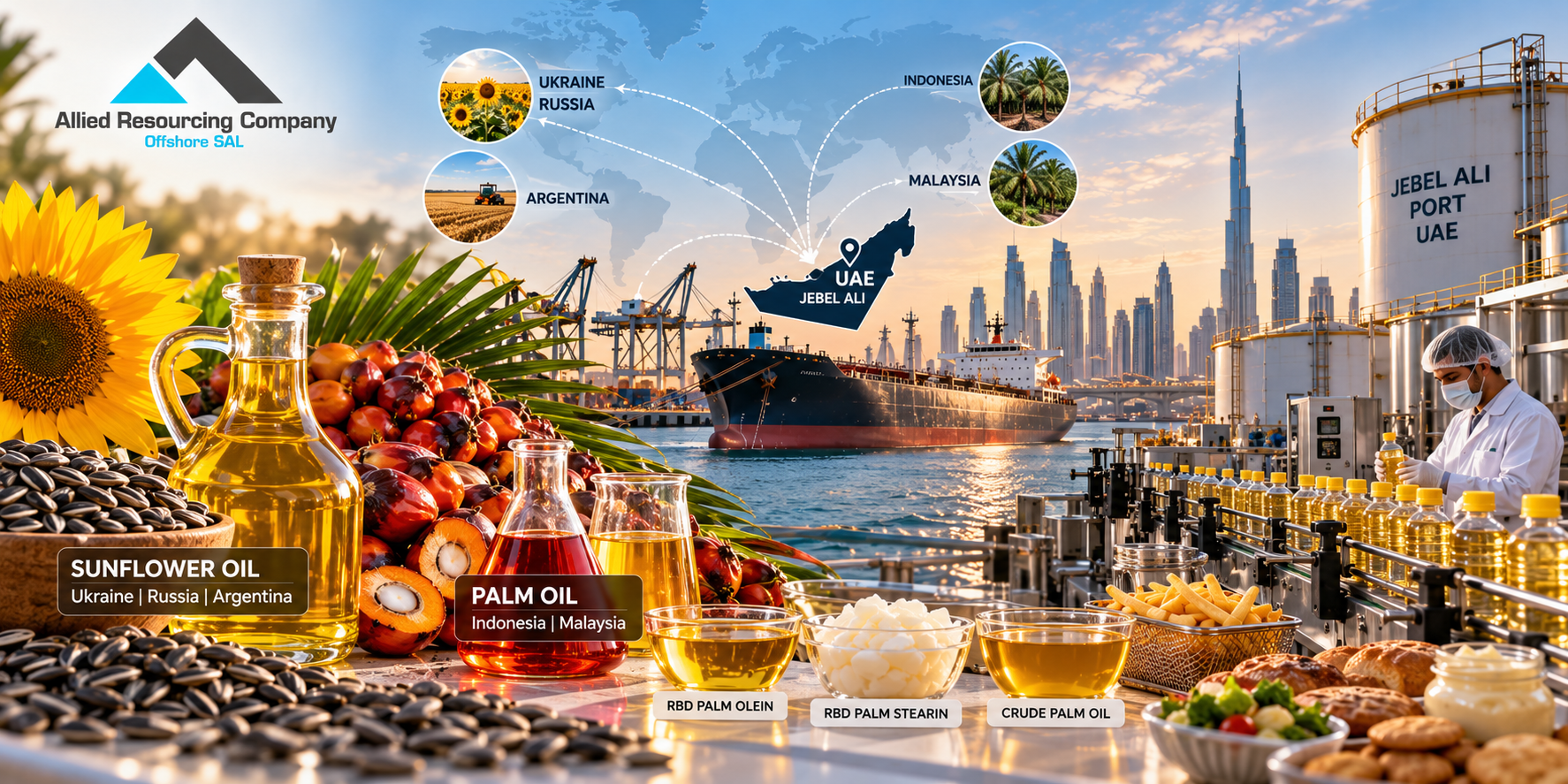
Edible oil is one of those inputs that nobody notices until it goes wrong. A bakery’s dough behaves differently. A snack line starts producing off-flavours after a few weeks on shelf. A frying operation burns through oil faster than planned.
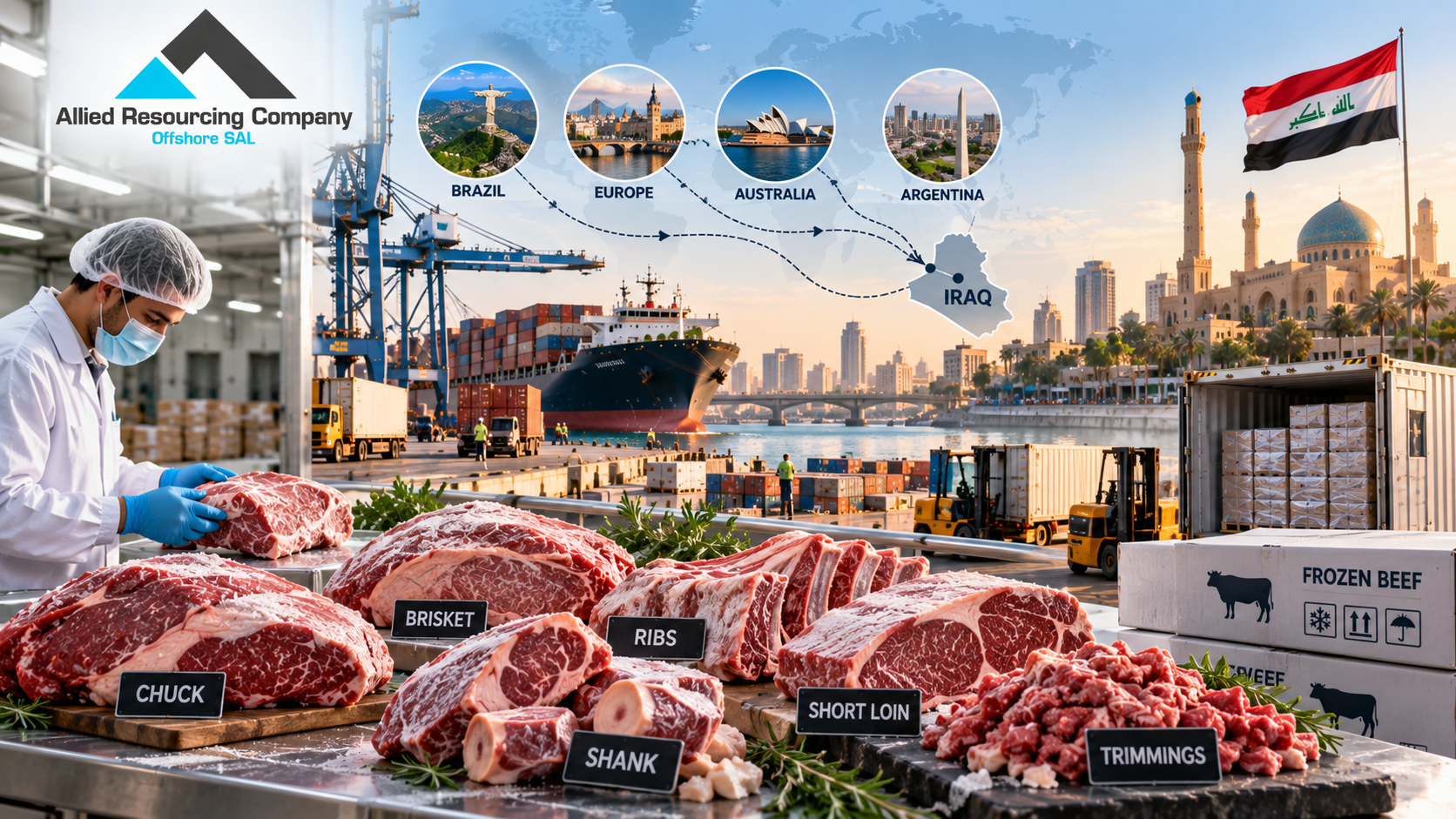
Iraq is one of the most active frozen beef import markets in the Middle East, and it is not hard to see why. Domestic cattle production does not meet demand, food service is expanding in Baghdad, Basra and Erbil, and beef is part of everyday cooking.
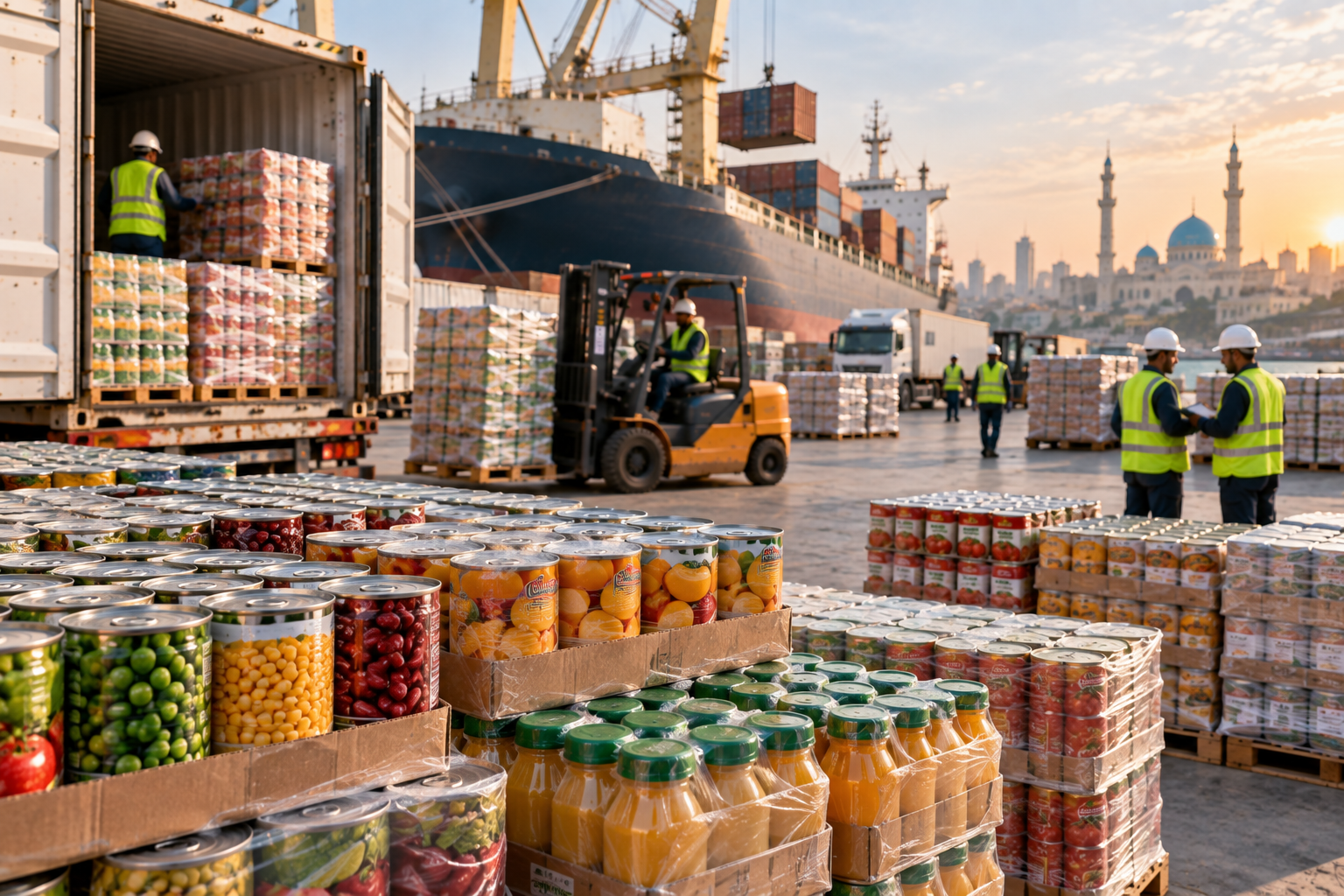
Distributors in Iraq sourcing canned food and juice concentrate need suppliers with verified food safety documentation matched to Iraqi import requirements, consistent product specification across recurring orders, and origin diversification across canned goods categories and juice concentrate types, since Iraq's growing retail and food service sector increasingly demands the kind of reliable, shelf-stable product supply that only well-structured international sourcing relationships can provide consistently.
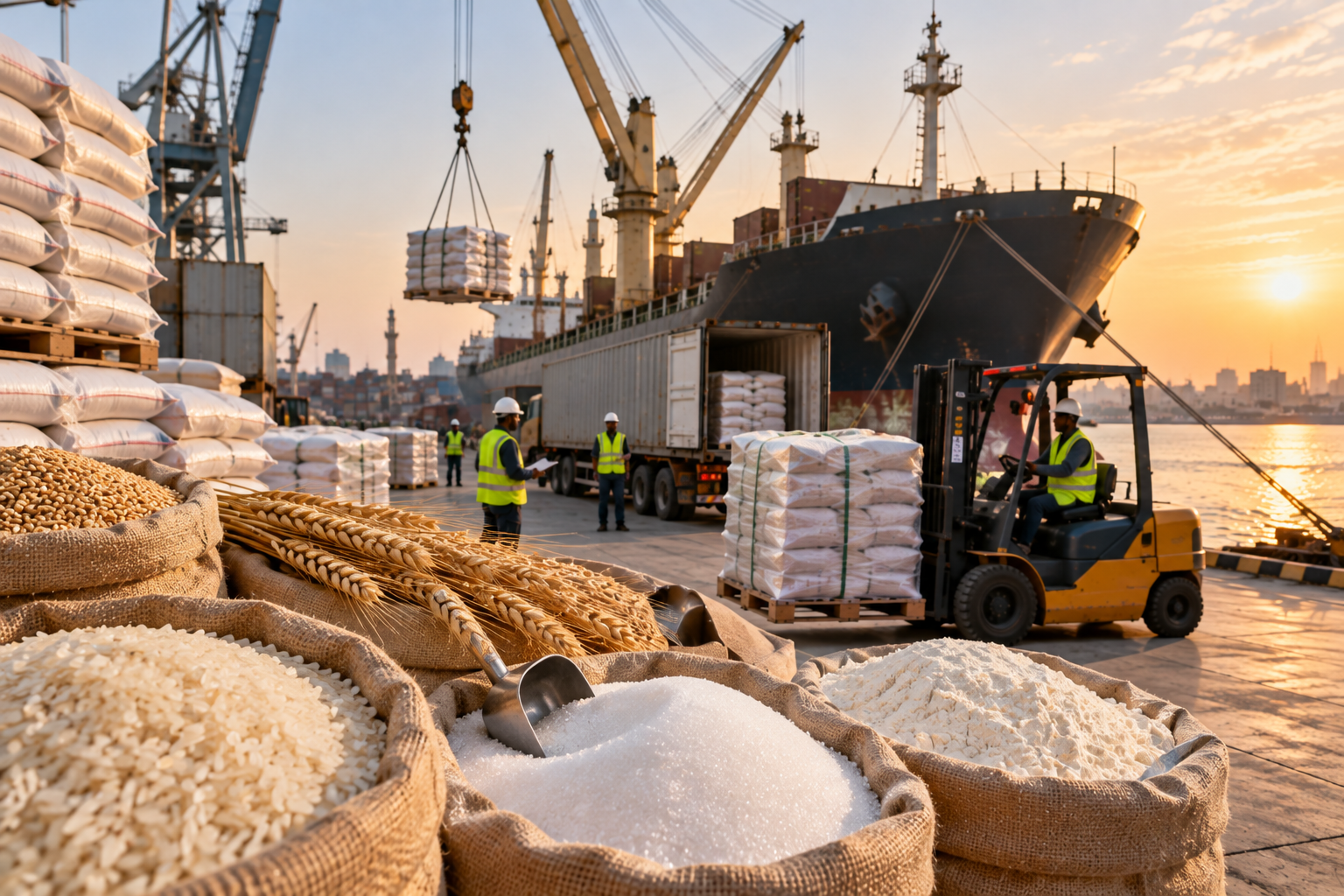
Sugar, rice, and wheat flour import demand across West Africa continues to grow steadily, driven by population growth, urbanization, and limited domestic processing capacity relative to consumption needs. Buyers sourcing these commodities for the region should prioritize suppliers with established origin relationships, consistent quality grading, and documentation experience specific to West African customs and import procedures, since these three commodities each carry distinct sourcing considerations despite often being grouped together as staple food imports.
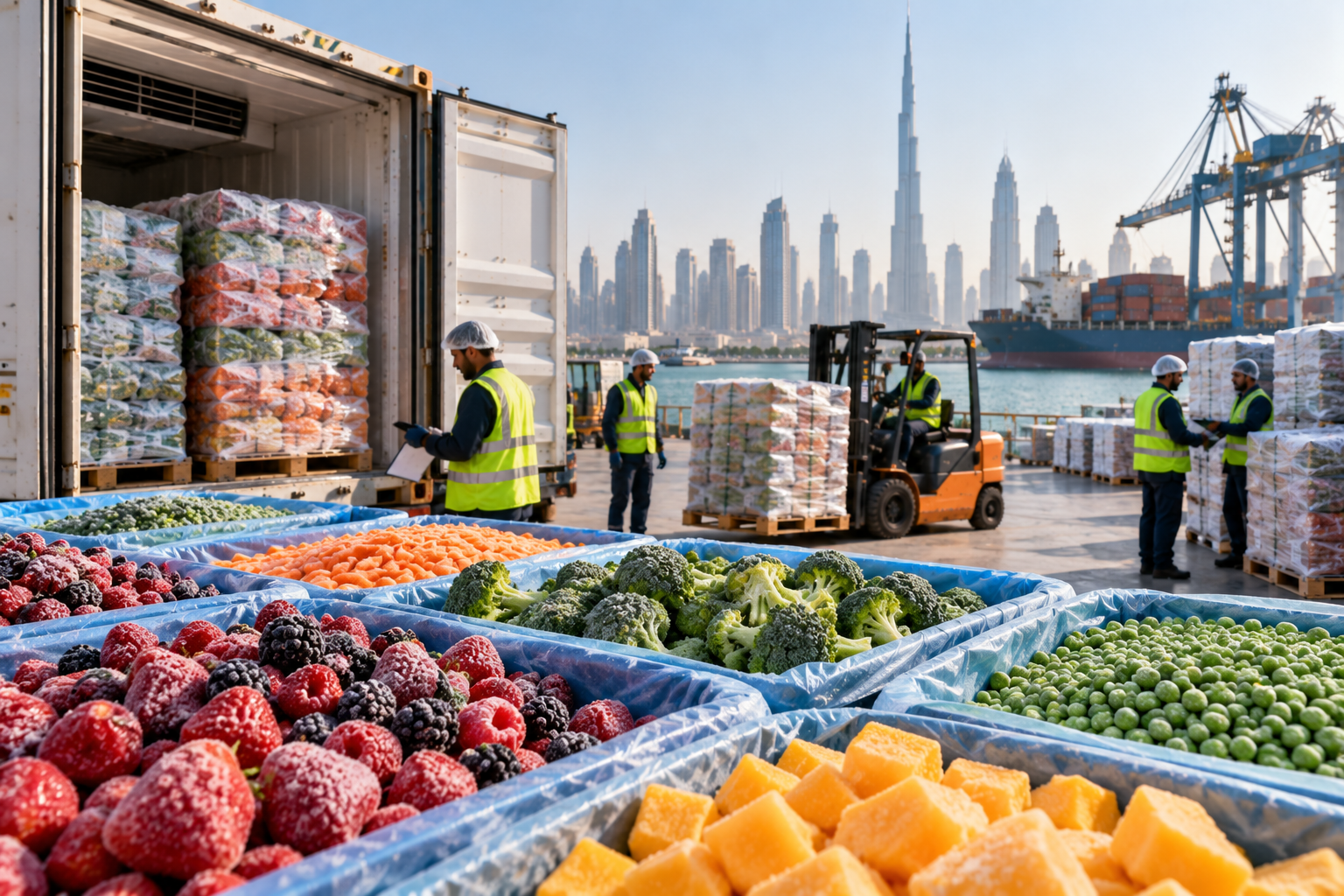
Food manufacturers in the UAE sourcing IQF fruits and vegetables need suppliers who can guarantee year-round supply continuity across multiple origin countries, meet the UAE's specific food safety and import documentation standards enforced by Dubai Municipality and federal authorities, and provide product specifications matched to whether the application is retail-facing, food service, or industrial processing, since the UAE's food manufacturing sector spans all three at significant scale.
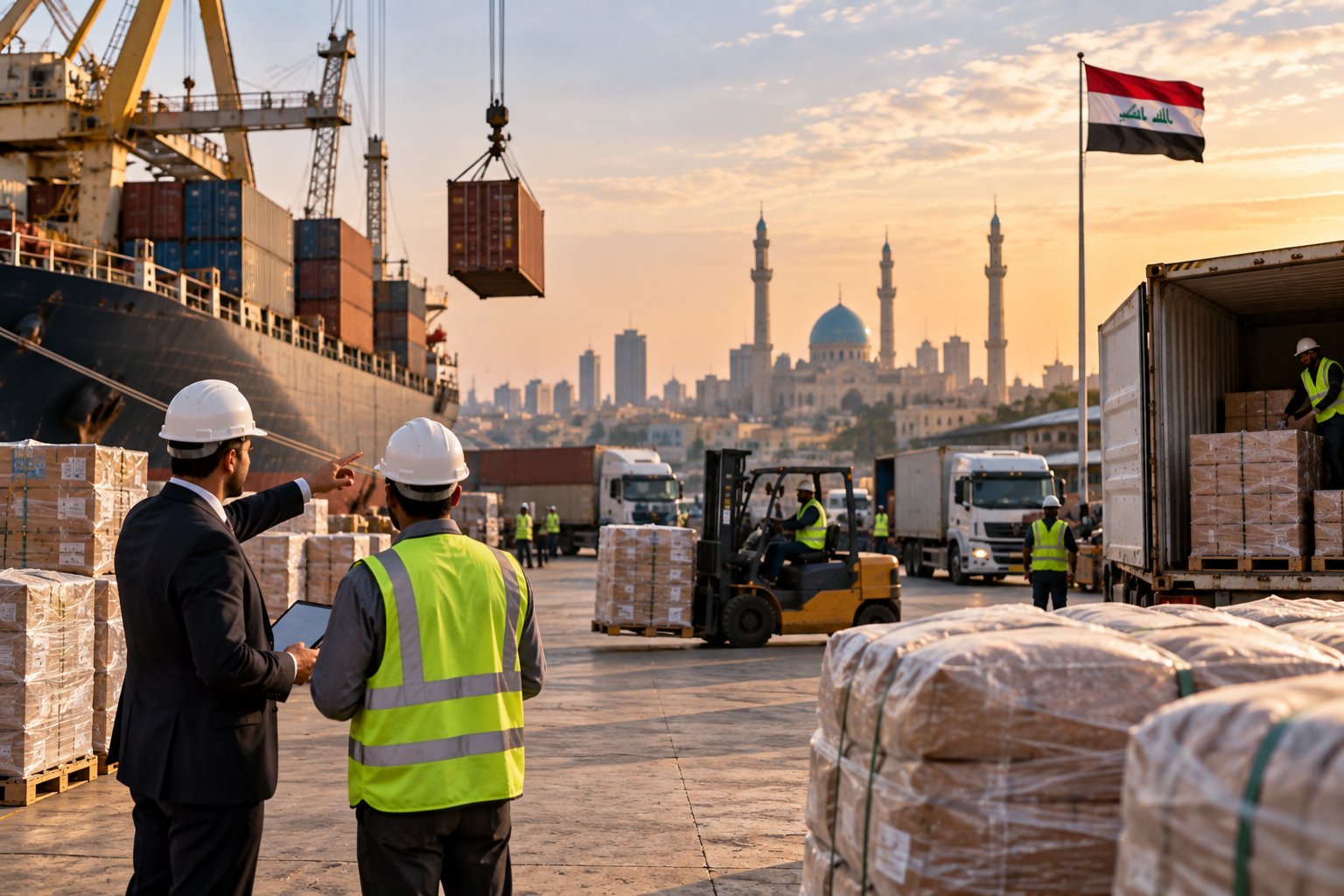
Offshore sourcing companies simplify import for Iraqi distributors by consolidating supplier vetting, documentation preparation, quality inspection, and logistics coordination into a single managed relationship, removing the need for a distributor to independently negotiate with multiple international suppliers, navigate unfamiliar export documentation requirements, and manage the compliance risk of sourcing directly from unfamiliar origin countries without local expertise on the ground.
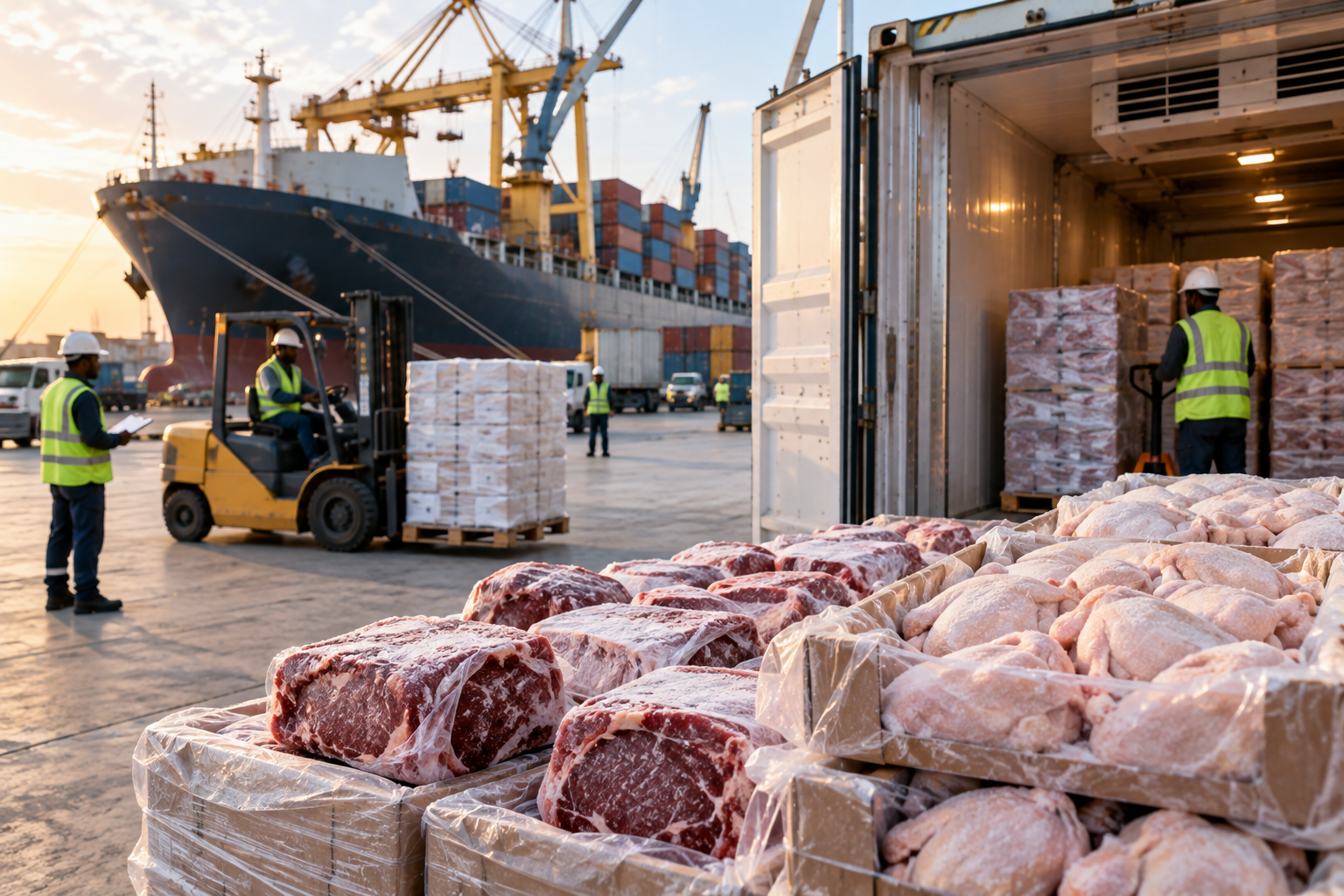
Businesses importing frozen chicken and beef into Ghana and the wider West African market need a supplier with direct access to certified processing facilities, complete halal and health certification matched to the specific import requirements of each destination country, verified cold chain documentation from processing through to port arrival, and payment structured through Letter of Credit to protect both sides of a Full Container Load transaction.

International buyers sourcing gold and minerals from West Africa need to understand that the regulatory landscape, particularly in Ghana, has changed significantly, with government bodies now controlling the buying, assaying, and export of gold from the artisanal and small-scale mining sector. Successful buyers work through properly licensed channels, verify chain-of-custody documentation at every stage, confirm assay and certification standards before committing to a transaction, and structure payment through compliant banking channels that satisfy anti-money laundering requirements on both sides of the trade.
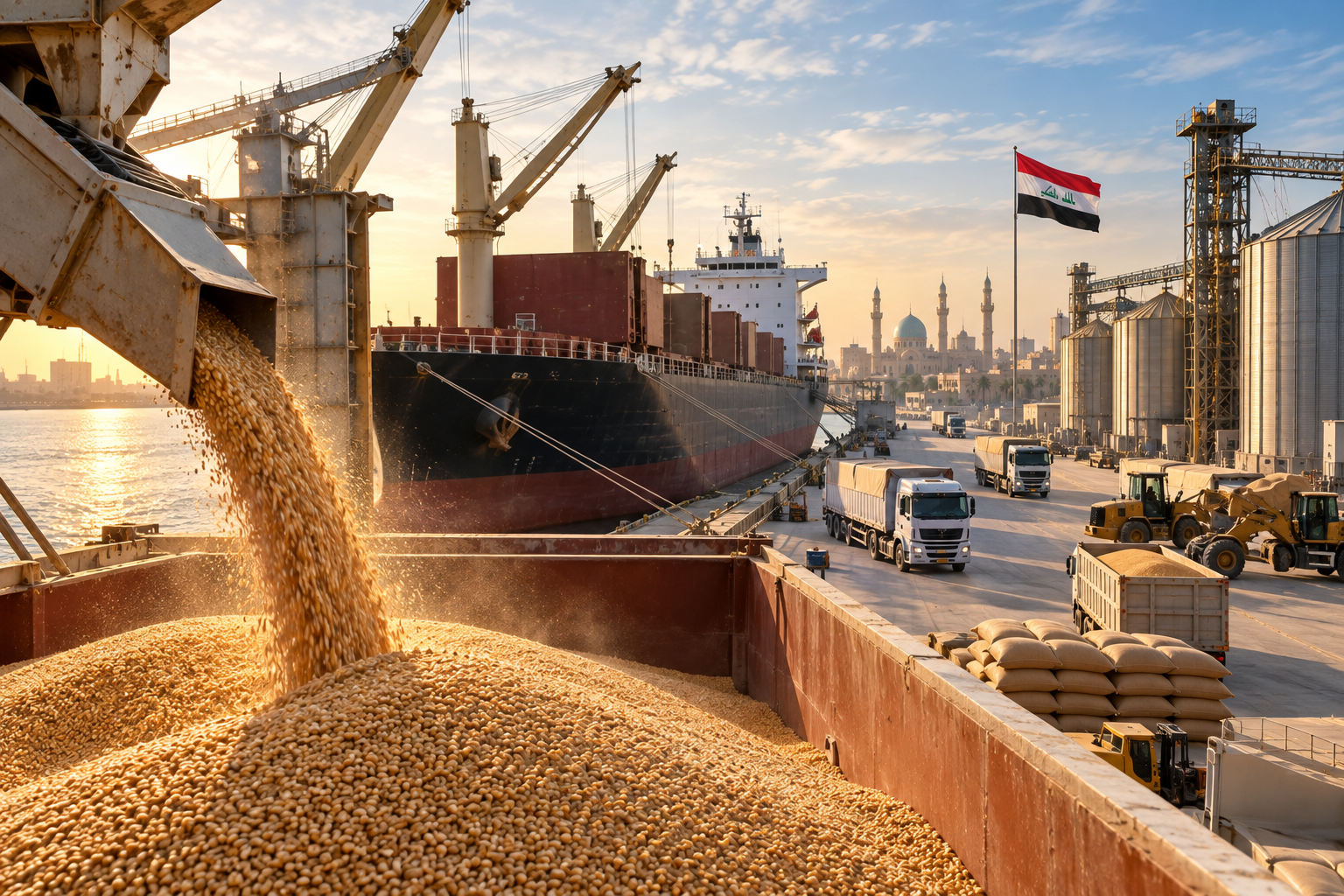
Iraq's food manufacturing sector, including flour mills, bakeries, and processed food producers, depends almost entirely on imported wheat and grain because domestic production covers only a fraction of national consumption. Buyers sourcing bulk wheat for Iraq need to prioritize suppliers with direct origin relationships in major grain-exporting regions, verified quality and phytosanitary documentation, FOB or CIF pricing structured for the specific port of entry being used, and Letter of Credit payment terms that protect both sides of a high-volume grain transaction.
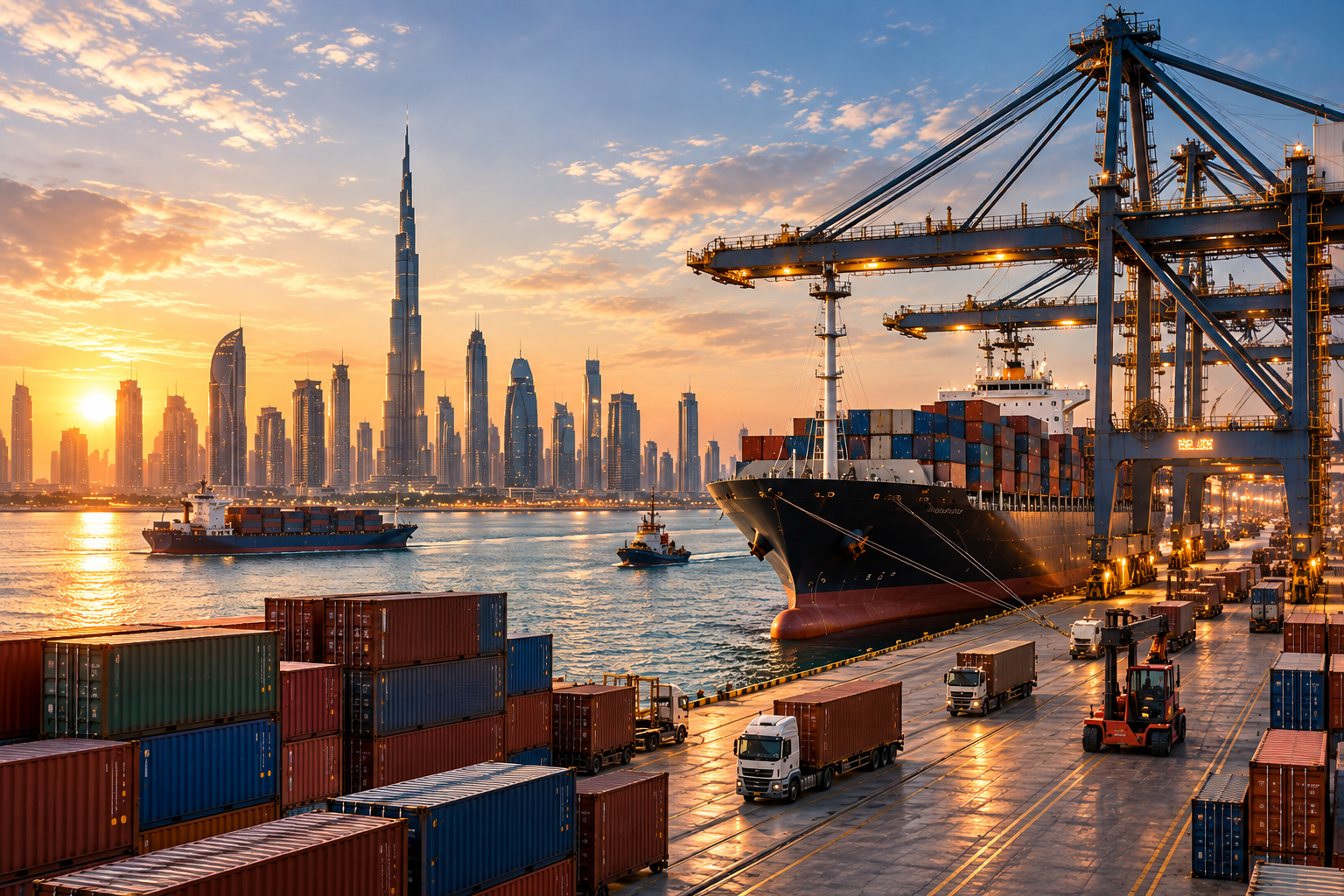
Dubai has become the leading gateway for global commodity trading in the Middle East because of its strategic geographic position between Europe, Asia, and Africa, its free zone infrastructure with zero corporate tax on qualifying trade, world-class port and airport logistics through Jebel Ali and DP World, deep trade finance and banking access, and regulatory frameworks built specifically to support re-export for commodities including agro products, frozen meat, energy, and minerals.
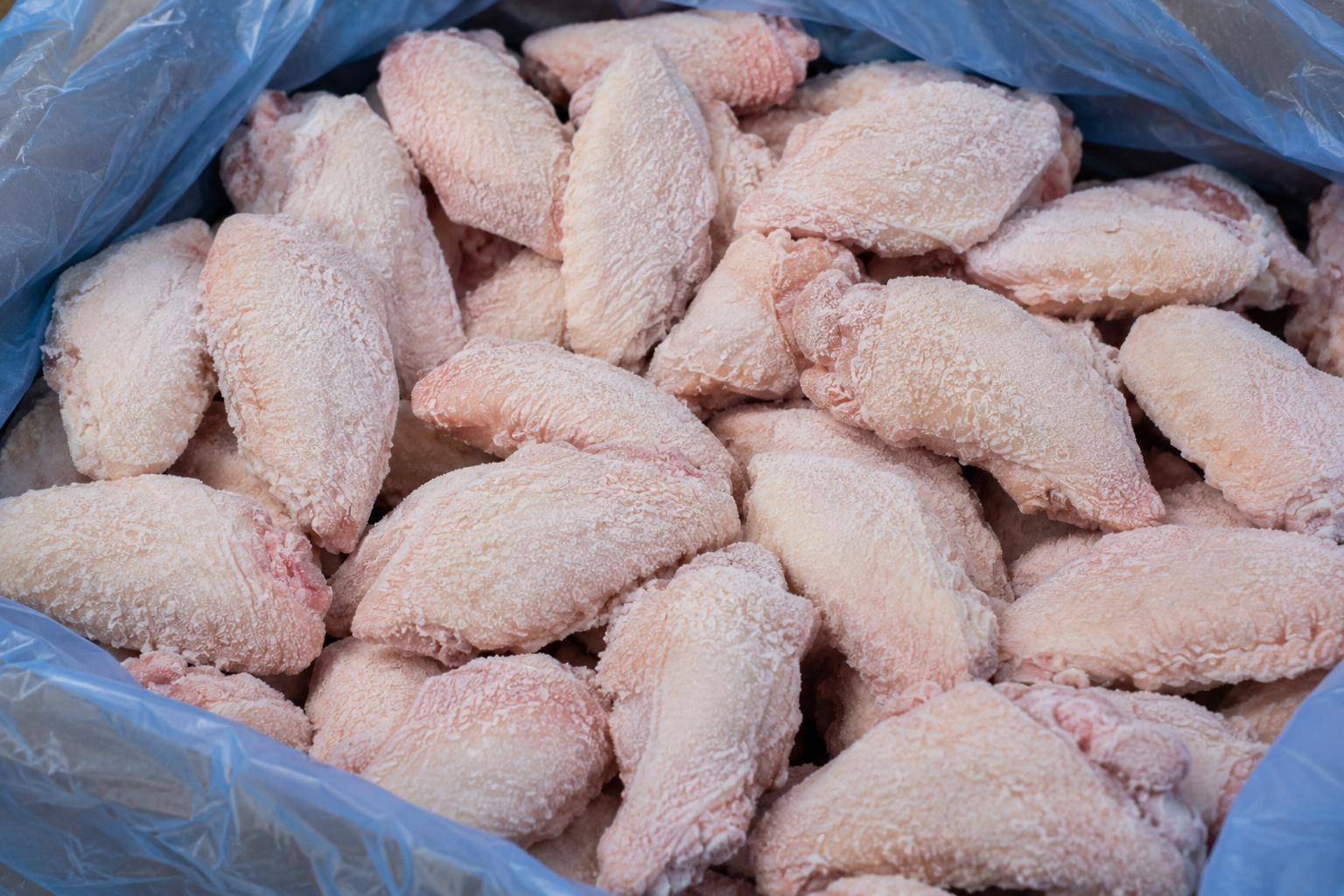
Chicken wings have gone from being one of the least valued cuts in the poultry processing chain to one of the most actively traded products in frozen chicken wings bulk sourcing worldwide. Wholesalers and distributors who have been in the frozen poultry business long enough remember when wings were practically given away.
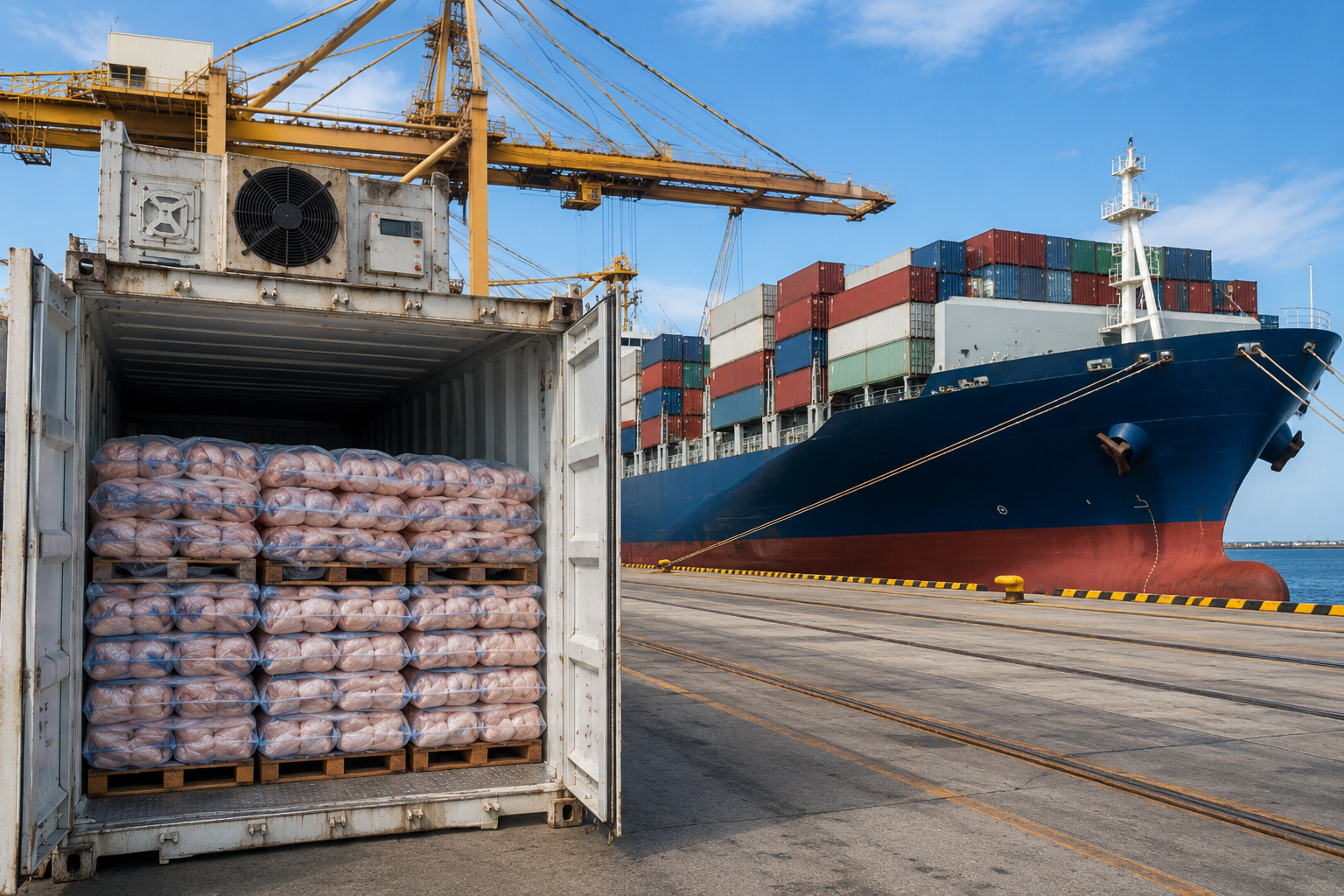
The Middle East is one of the most important destination regions in the global frozen poultry trade. Importers, distributors, and food manufacturers across Saudi Arabia, the UAE, Kuwait, Qatar, Oman, and Bahrain collectively represent an enormous and consistent volume of demand for certified frozen chicken, and that demand is supplied almost entirely through international trade.
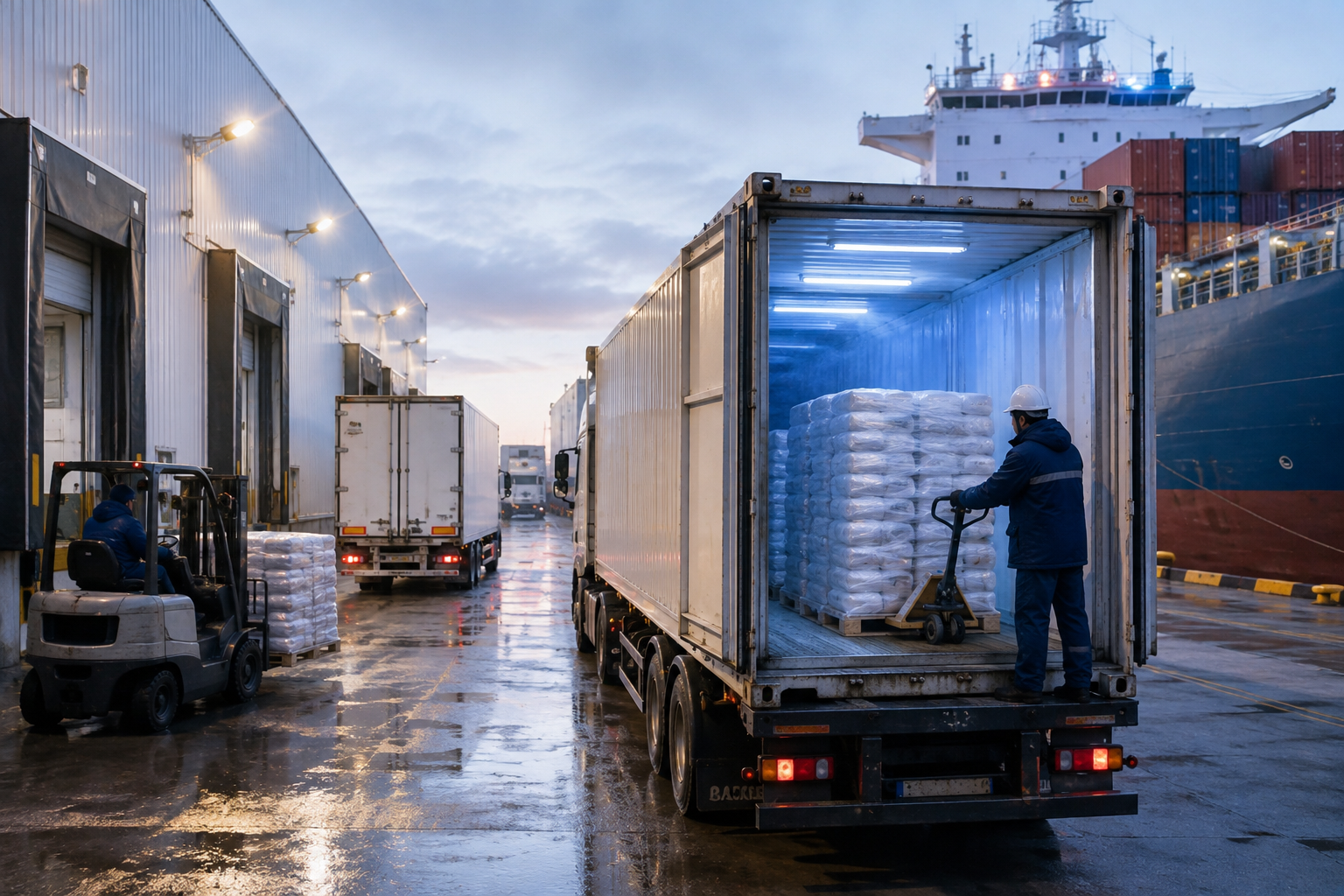
Most conversations about sourcing frozen meat focus on pricing, specifications, and certifications. Cold chain logistics tends to get treated as an operational detail that someone else will handle. That is a costly assumption. The frozen meat cold chain is not a background process that runs itself.

Blueberries have become one of the most actively sourced products in the global IQF blueberries market over the past decade, and the buyers driving that demand are not retail consumers browsing supermarket freezer aisles. They are food manufacturers, beverage producers, yogurt brands, smoothie companies, and bakery operations who need consistent volume, reliable specifications, and year-round supply from origins they can depend on.
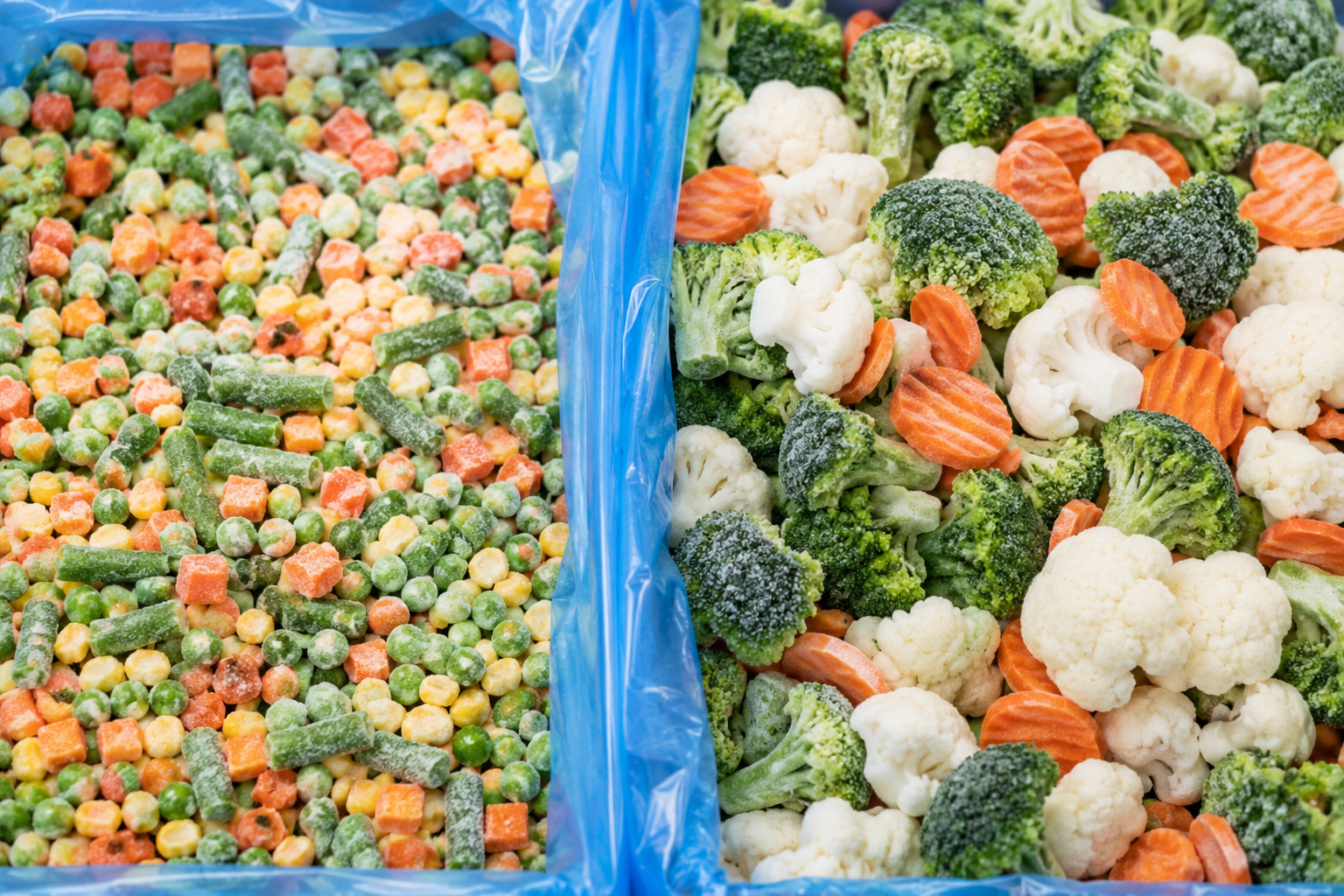
Every food processor sourcing frozen vegetables at scale will at some point face the same procurement question: does the application actually require IQF, or will fresh frozen deliver the same result at a lower cost? It sounds like a straightforward question. In practice, the answer depends on the specific vegetable, the production process it is going into, and what the finished product needs to look, taste, and perform like at the point of consumption.
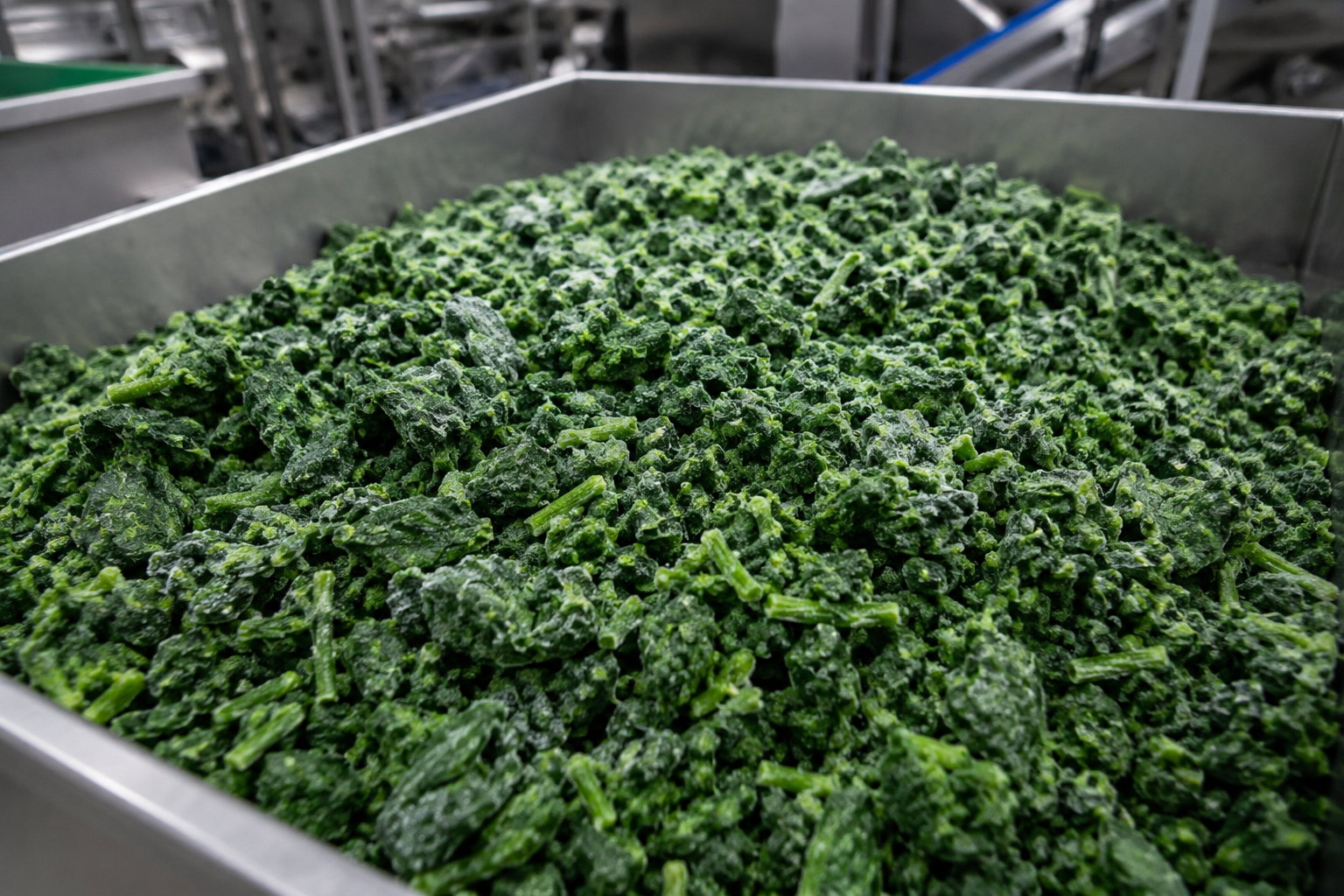
Spinach looks like a simple product to source. It is widely grown, widely processed, and available from multiple origins around the world at prices that make it one of the more accessible vegetables in the IQF category. That accessibility is exactly what leads large-scale food manufacturers into sourcing decisions they later regret. Because IQF spinach is available everywhere, buyers sometimes treat it as a commodity where the only variable that matters is price per kilogram. It is not.
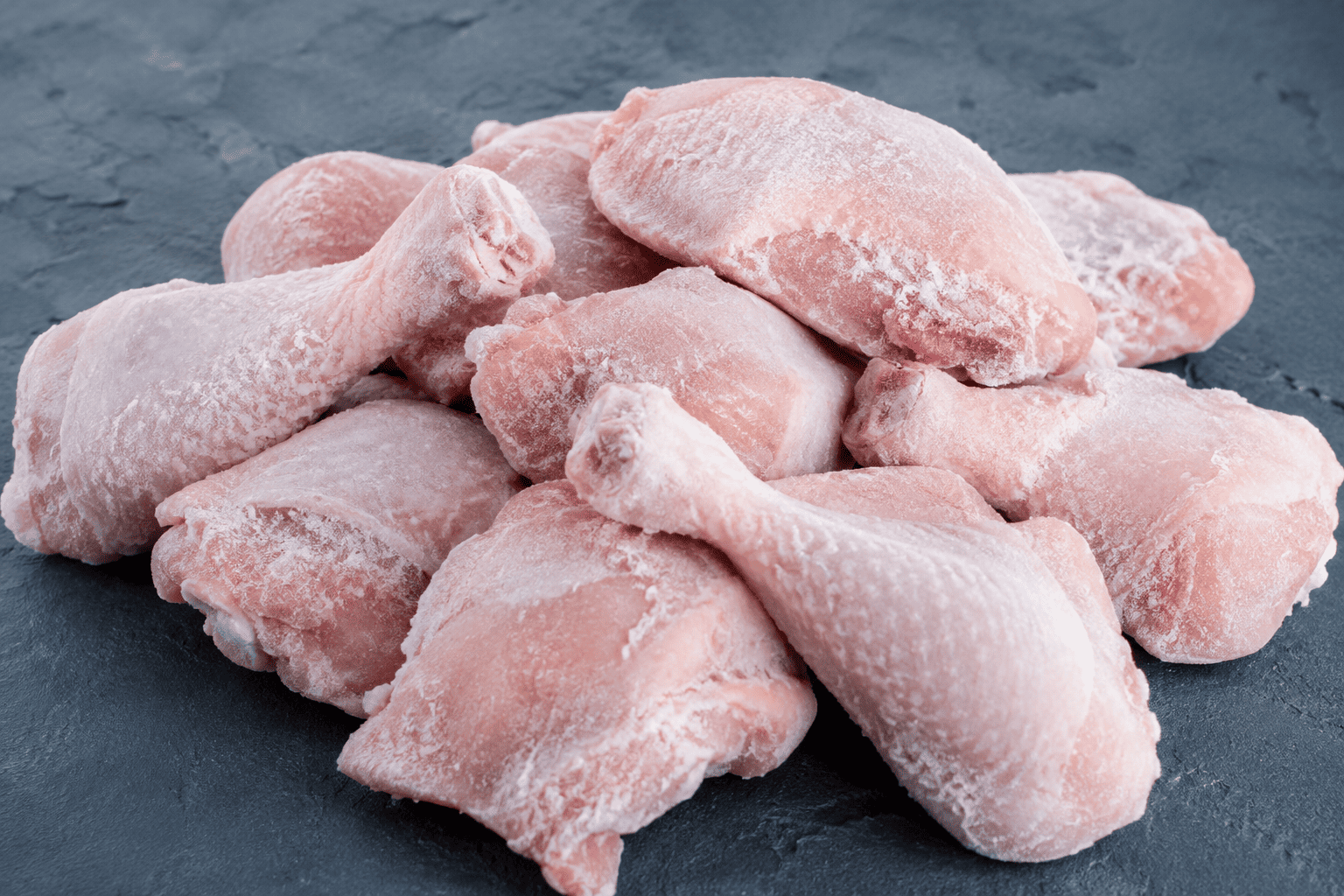
Discover what halal frozen chicken means, how certification works, which countries export it, and what distributors need to check before sourcing bulk halal frozen chicken globally.
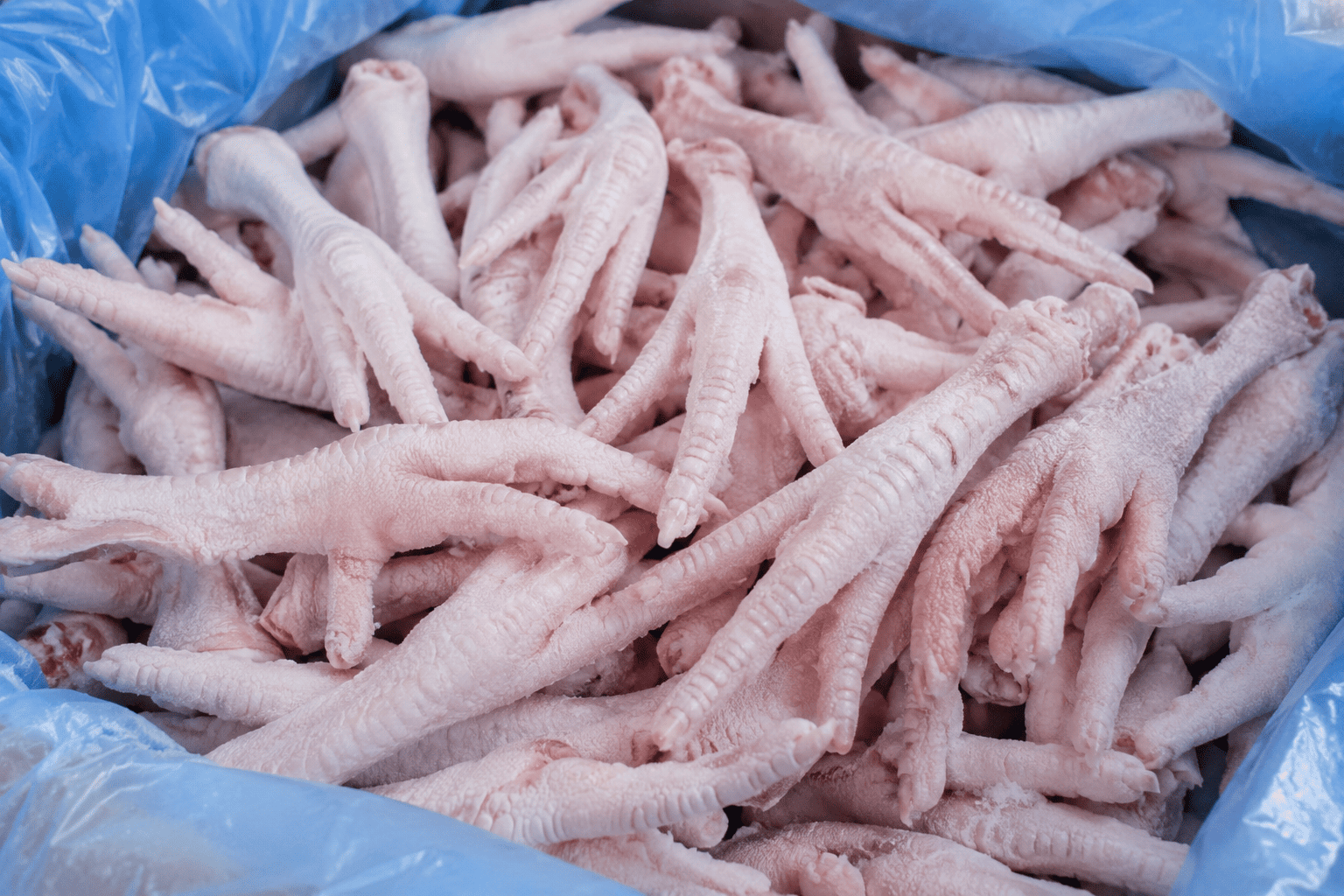
Discover the global markets driving demand for frozen chicken feet, what moves pricing, and how to find a reliable chicken feet bulk supplier for FCL orders worldwide.
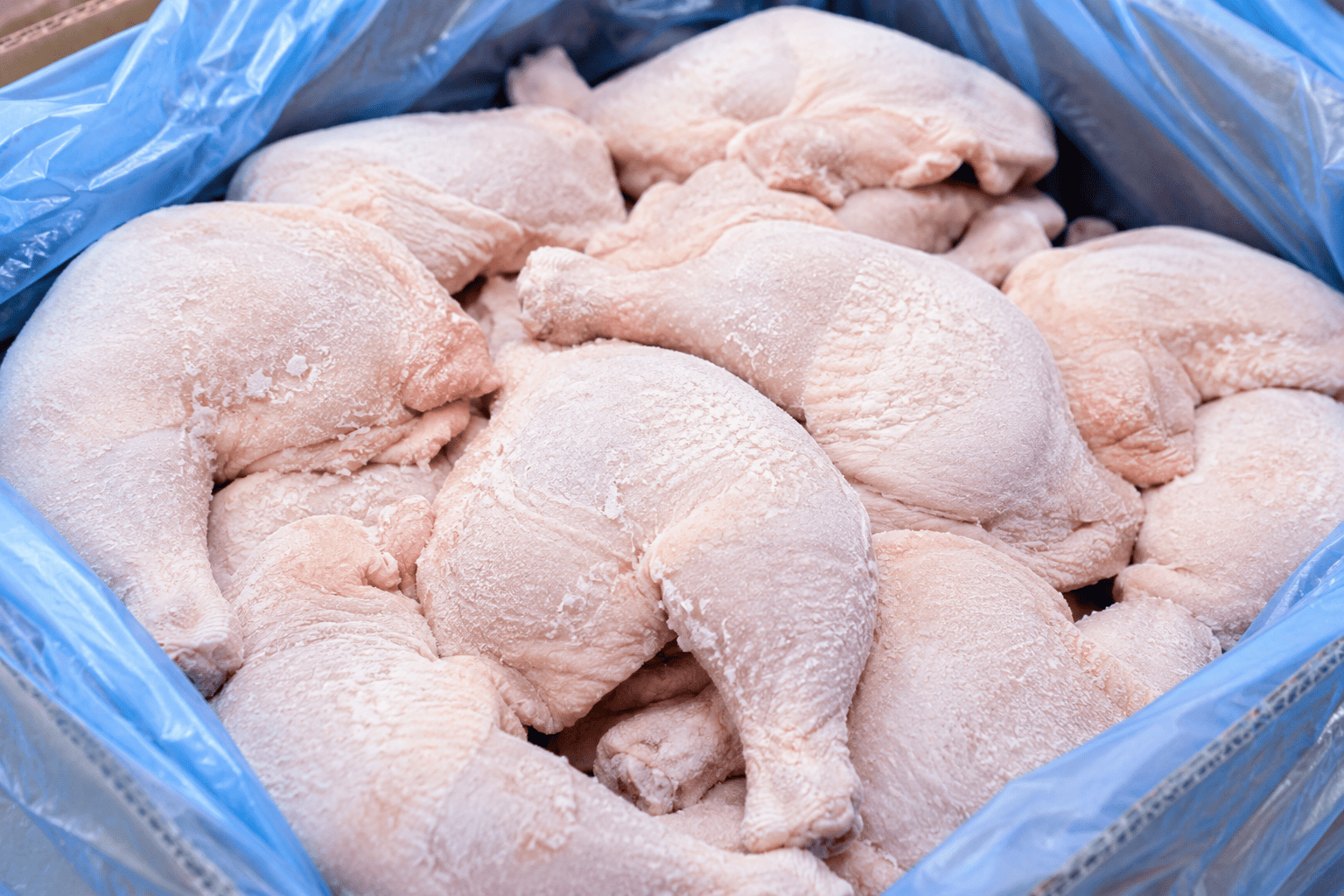
A practical guide for importers and distributors on evaluating bulk frozen chicken suppliers — covering certifications, cold chain, glazing, payment terms, and documentation.
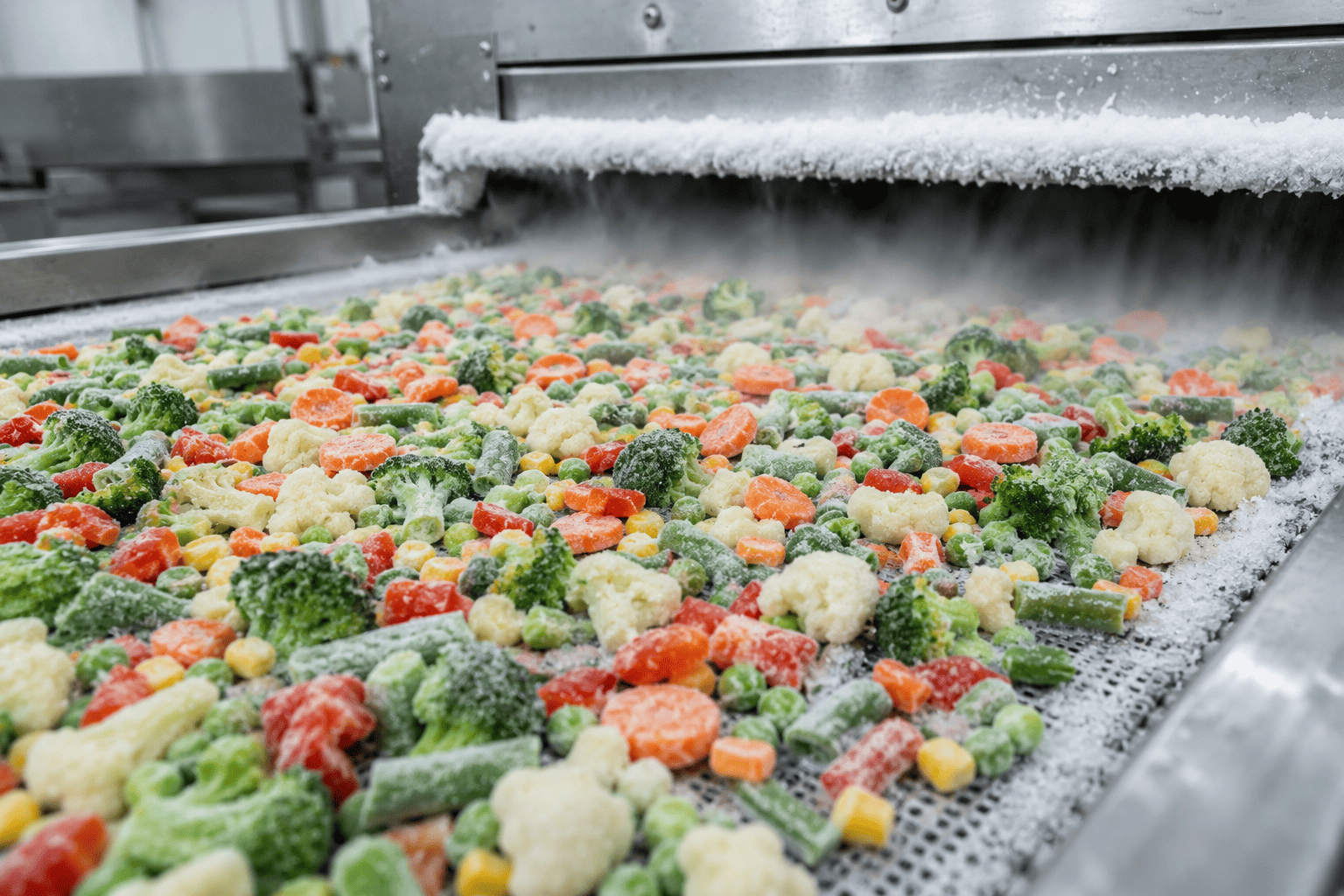
Understand what IQF freezing is, how it compares to block freezing, why it delivers better yield and quality for food manufacturers, and what to look for when sourcing IQF produce.
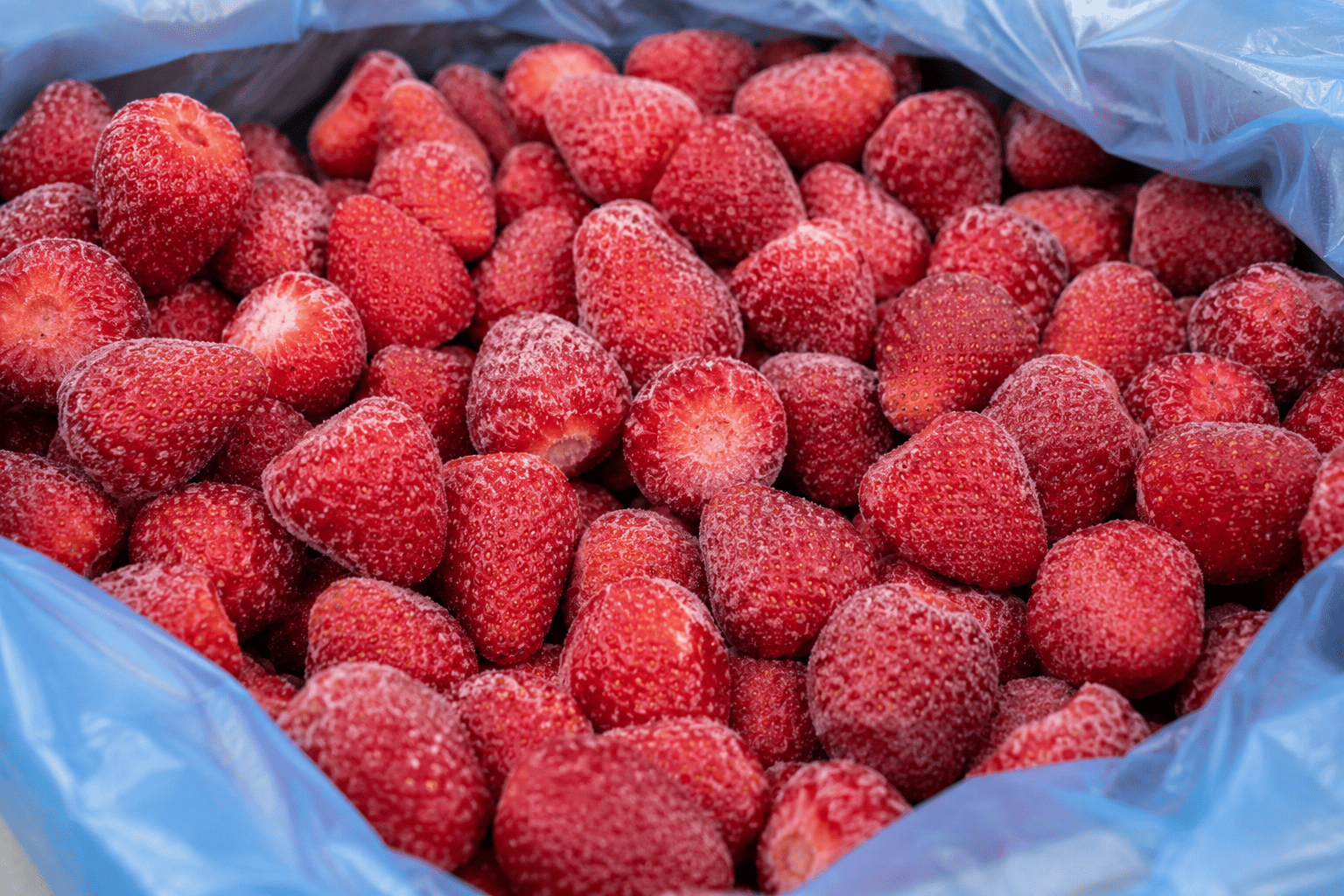
A complete bulk buying guide for IQF frozen strawberries covering formats, caliber, Brix, glazing, shelf life, sourcing origins including Egypt, Morocco, Serbia, and how pricing works.

For high-volume B2B buyers, sourcing juice concentrates requires absolute certainty. This post details how the Allied Resourcing Company (Offshore) S.A.L. (Lebanon), acting as "Your Purchasing Department", leverages the global network of its sister company, Allied General Trading Company Ltd. (UK), to provide BRCGS-certified and ambient-stable aseptic concentrates (up to 24-month shelf life). We show how this technical choice, combined with a globally diversified sourcing strategy, mitigates critical risks like price volatility and the high costs associated with cold chain logistics in the MEA region, guaranteeing predictable quality and operational savings for manufacturers and distributors.

Explore premium wild Serbian truffles — hand-harvested, ethically sourced, and globally delivered. Perfect for gourmet chefs, retailers, and luxury food distributors.

For B2B procurement professionals, high-quality IQF (Individually Quick Frozen) fruits and vegetables are the key to stable supply chains and reduced waste. This guide explores the technical mastery of the IQF process—from rapid freezing science to maintaining peak nutrition. Learn how Allied Resourcing Company (Offshore) S.A.L. (Lebanon), acting as "Your Purchasing Department" , leverages its Middle East logistics expertise and the global network of its sister company, Allied General Trading Company Ltd. (UK), to deliver certified IQF excellence. We detail how adherence to non-negotiable standards like BRCGS and Process HACCP makes your sourcing more efficient, predictable, and secure against global supply risks.

Craft Your Sourcing Success: Best Practices and Why Allied Resourcing Company (Offshore) S.A.L. Can Help Efficient global sourcing secures quality products at competitive costs. This guide covers proven sourcing best practices and how partnering with Allied Resourcing Company (ARCOSAL) streamlines the process.

In today's competitive marketplace, every dollar counts. Large businesses constantly seek ways to optimize their operations and maximize profitability.

Sourcing plays a critical role in the success of any business. However, for SMEs, navigating sourcing challenges can be hard...